Top Qualities of the Best Independent Living Communities

Numerous senior living communities exist across the United States, and a quick search returns no shortage of lists, rankings, and star ratings. But here's the problem: "best" means something completely different depending on who you are, what you value, and how far into the future you're planning. A community that earns five stars for one family can feel entirely wrong for another.
Finding the best independent living community requires shifting away from "highest-rated" and toward a consistent set of criteria that actually predict long-term satisfaction. That shift in thinking changes everything about how you research and tour retirement communities.
At Pilgrim Place in Claremont, California, we often hear from families who arrive after applying exactly this kind of structured evaluation. When they compare active adult communities against criteria like care continuity, cultural fit, campus environment, wellness depth, and pricing transparency, Pilgrim Place consistently rises to the top of their short list. This article walks through the six qualities that distinguish the best independent living community options from the rest, so you leave with a practical lens, not just a longer list of names.
1. A built-in continuum of care you can count on later
One of the most commonly overlooked qualities during an independent living search is what happens when your needs change. Many families focus entirely on the apartment finishes, the dining menu, and the activity calendar, without ever asking what the plan is if a resident needs more support two or three years in. Communities that offer only one level of care leave residents and families scrambling for a new placement, often during a health crisis, which is the worst possible time to be making major decisions.
Why life plan communities protect your long-term security
A standalone independent living facility and a full life plan community (also called a CCRC, or Continuing Care Retirement Community) are fundamentally different products. A life plan community offers independent living, assisted living, memory care, and skilled nursing all on the same campus. Choosing one while you're still healthy locks in access to those higher levels of care at more predictable costs, rather than having to compete for placement in an unfamiliar facility later.
What to look for beyond the marketing language
Many senior living communities advertise a "continuum of care," but not all of them deliver it seamlessly. The key distinction is whether care transitions happen on campus with staff who already know the resident, or whether "transitions" really means referrals to a third-party facility across town. Quality indicators worth checking include skilled nursing ratings available through the Centers for Medicare and Medicaid Services Care Compare site, trained memory care staff, and on-campus care at every level.
Pilgrim Place offers that kind of integrated spectrum, from independent cottage homes through skilled nursing, with each level on our 32-acre Claremont campus. Residents don't have to leave their community when their needs evolve. That continuity matters more than almost any other single factor in long-term satisfaction.
2. How to identify the best independent living community for your values
Amenities wear off. Culture stays with you every single day. The best independent living communities aren't just well-designed buildings. They reflect a genuine identity that residents share and actively help shape. When you move into a community, you're not just choosing a floor plan. You're choosing your neighbors, your daily rhythms, and the values that will surround you for years.
How values alignment predicts daily satisfaction
A community's stated mission, how it actually behaves, and who it attracts as residents all matter as much as physical features. For service-oriented retirees, justice-minded individuals, or LGBTQ+-affirming seniors, there's a real difference between a community that checks a box on a brochure and one that genuinely lives those values. Ask who designs the programming, who shows up to community meetings, and what the community has actually done, not just said, about inclusion and belonging.
Resident-led governance as a trust signal
A healthy resident council is one of the clearest trust signals a community can offer. When residents have real governance power, including meaningful input on programming, community policies, and the culture itself, the community demonstrates that it respects residents as partners, not just clients. That structural commitment to shared decision-making is worth asking about directly during any tour.
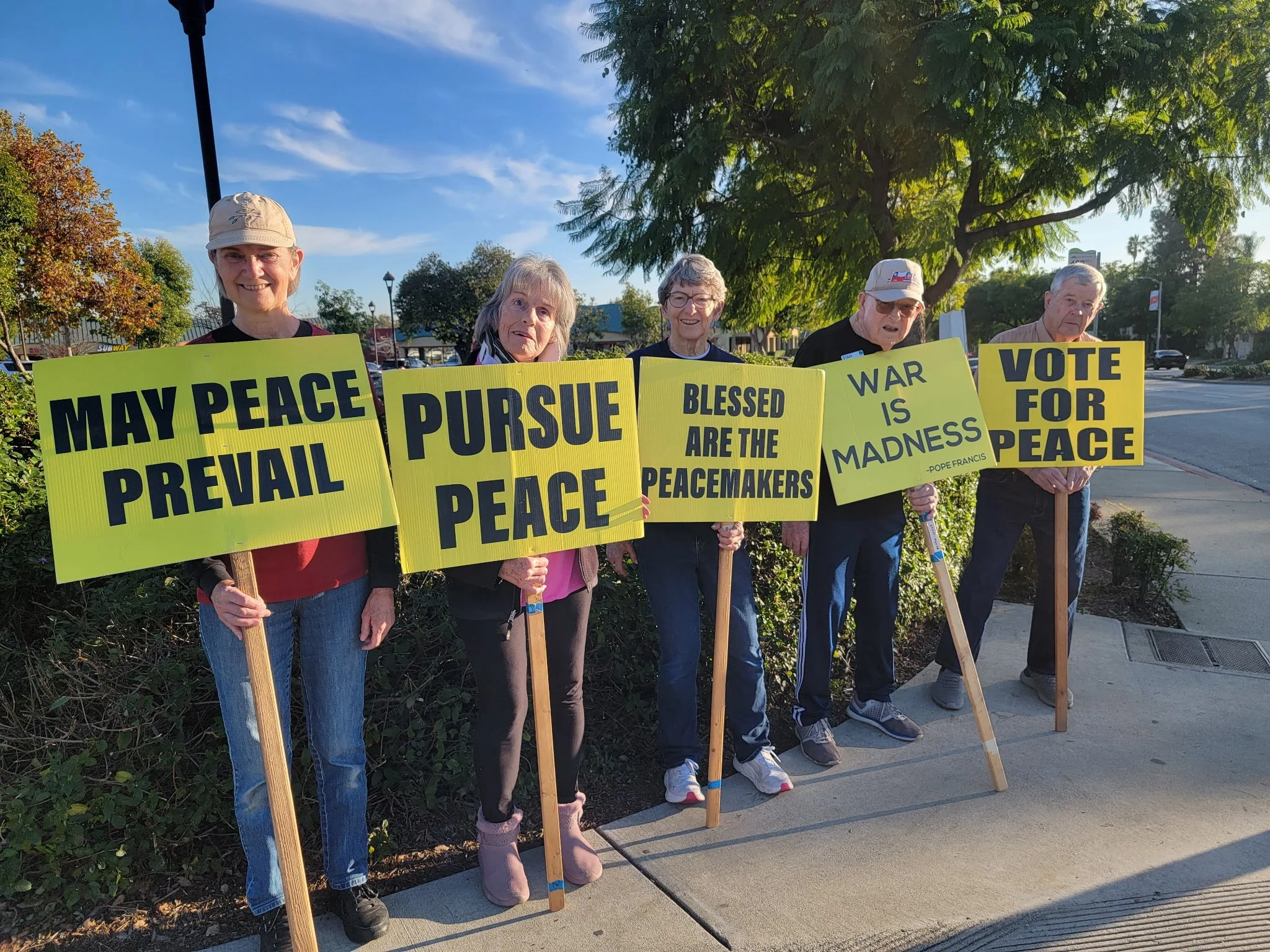
Pilgrim Place was built around exactly this model. Our stated values center on justice, peace, and care for the Earth, and those values shape how the community is governed day to day. Residents don't just participate in community life; they shape it. For seniors who have spent their careers in social service, activism, education, or advocacy, that's not a nice-to-have. It's the whole point.
3. Location and campus environment that support daily life
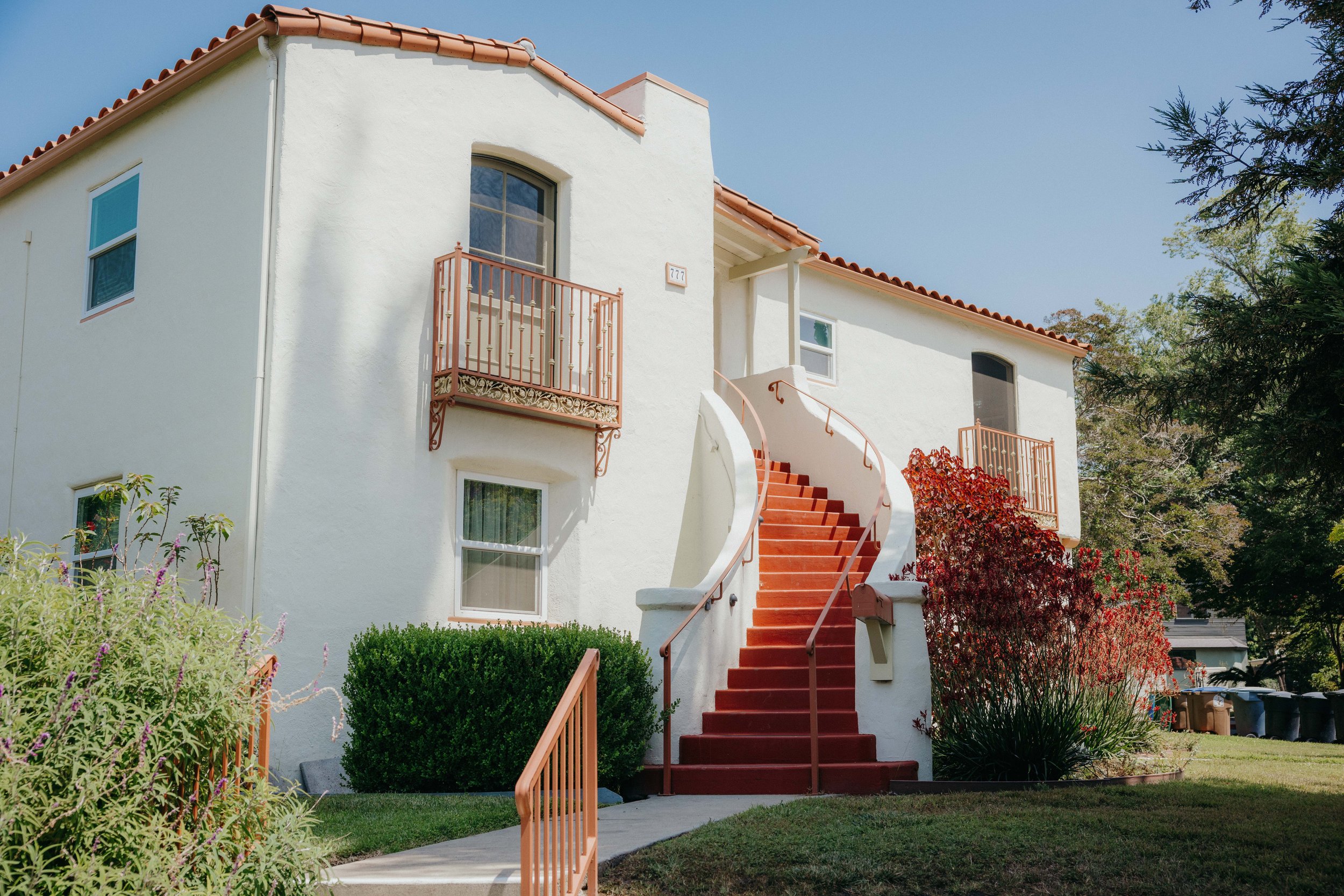
Where a community sits geographically, and how its physical campus is designed, has a direct impact on whether residents feel alive or isolated after the first year. A beautiful interior does little for you if there's nowhere interesting to go and no reason to walk out the front door.
Walkability, nature access, and neighborhood connectivity
Proximity to walkable streets, green space, and local shops matters deeply for active adults who want to maintain independence and routine. Campus design tells you a lot: trail access, outdoor gathering spaces, and well-maintained gardens signal how much a community has invested in physical well-being beyond the fitness center. A treadmill in a windowless room is not the same as a walking path through a living landscape, and research on outdoor activity and healthy aging consistently backs that distinction up.
Proximity to cultural and intellectual hubs
Senior living near a university or arts district gives lifelong learners access to lectures, performances, continuing education, and intergenerational connection that no amount of in-house programming can fully replicate. Pilgrim Place sits on a 32-acre campus directly adjacent to the Claremont Colleges, one of the most distinguished college consortiums in the country. Residents can walk to lectures, performances, and cultural events without leaving the neighborhood. That kind of access supports intellectual vitality in a way that's genuinely hard to find in most 55+ communities.

4. Wellness programs that treat you as a whole person
The best independent living community options build programming around physical, cognitive, social, and spiritual well-being, because active adults need all four to thrive long term. A community that addresses only one of those dimensions is leaving a significant gap.
Physical fitness that matches your level and goals
High-quality fitness programming is tailored, not generic. A community that offers one group fitness class at 9 a.m. and calls it a wellness program is not the same as one that builds a schedule around the actual interests and abilities of its residents. Look for variety in class types, access to personal instruction, and walking trails that invite daily use.
Mental stimulation and lifelong learning opportunities
Cognitive engagement is not optional for healthy aging; it's essential. The strongest retirement communities keep residents mentally active through art classes, language courses, book clubs, guest lectures, and creative studios. Communities with strong cultural partnerships, like proximity to a college campus, naturally extend this programming far beyond what any single community could sustain on its own.
Social connection and spiritual support
Organized social programming matters for preventing isolation, which remains one of the most significant health risks for older adults. Genuine spiritual care goes beyond a weekly chapel service; it includes space for reflection, meaning-making, and community rituals that honor diverse beliefs. The communities that get this right treat social and spiritual well-being as core programming, not afterthoughts.
5. Pricing clarity and contracts you can actually compare
Cost is always part of the conversation, but the real issue isn't the price. It's understanding what you're actually getting for that price and what financial exposure you carry down the road. Unclear pricing is one of the most frequently cited sources of regret in senior living decisions.
The three main contract types and what they mean
Understanding the contract structure is essential before comparing any two communities side by side. The three main types break down like this:
Rental contracts work month-to-month with no entrance fee. Care is billed separately at market rates when needed, which means future care costs are unpredictable.
CCRC life plan contracts require an upfront entrance fee plus a monthly fee, but in exchange, they provide access to higher levels of care at included or discounted rates. Within this category, Type A agreements offer unlimited care access with stable monthly fees; Type B includes a set number of discounted care days before market rates apply; and Type C is essentially fee-for-service, with the lowest entrance fee but the highest exposure to future care costs.
How entrance fee refund policies work
Two common refund structures exist in life plan communities. A Return-of-Capital plan requires a larger entrance fee but refunds a meaningful percentage, often 50 to 90 percent, to the resident or their estate when they leave. A traditional amortizing plan carries a smaller entrance fee but amortizes over time, eventually resulting in no refund. Before signing anything, ask directly:
Is any portion of the entrance fee refundable, and what percentage?
What triggers a fee increase when a higher level of care is needed?
Is a benevolence benefit available to protect residency if financial circumstances change?
What average costs look like in California
California's 2026 median for independent living sits at approximately $3,612 per month, running about 18 percent above the national median of $3,065. That figure varies considerably based on contract type, campus location, and the services included in the base fee. Urban and coastal markets in Southern California tend to sit at the higher end of that range, which makes understanding exactly what's bundled into the monthly fee even more important when you're comparing options side by side.
6. How to choose the best independent living community for your short list
Having the right criteria is only useful if you apply them systematically before you get caught up in the emotional pull of a beautifully staged tour. The goal is to eliminate communities that don't meet your threshold before you invest significant time in deeper research.
Building a personal priorities checklist
Rank the six criteria by personal priority: care continuity, cultural fit, location, wellness programming, pricing transparency, and resident empowerment. Use that ranking to create a threshold for each criterion. Any community that fails to meet your threshold on the top two or three priorities comes off the list immediately, regardless of how appealing the dining room looks.
What to look for during a community tour
Observe how staff interact with residents when no one is guiding the interaction. Notice whether common spaces are genuinely in use or carefully staged for tours. Eat in the dining room without the curated experience if you can. Pay attention to whether residents look engaged and connected, or quiet and withdrawn. These are the details that reveal the real culture of a place, not the marketing materials.
Red flags that disqualify a community regardless of marketing
Watch for three warning signs that deserve immediate attention: fee structures with no written breakdown of what is and isn't included, care transitions that require moving off campus to a separate facility, and communities where residents have no formal governance role and no meaningful voice in how the place operates. Any one of these is a reason to look elsewhere.
Pilgrim Place holds up well under all six criteria: a full on-campus care continuum, a resident-driven culture rooted in justice and inclusion, a walkable 32-acre campus adjacent to the Claremont Colleges, deep wellness programming, and pricing structures designed for transparency.
The best communities earn their reputation every day.
No single standout feature defines a great independent living community. The combination of a full care continuum, genuine culture, thoughtful location, holistic wellness programming, pricing transparency, and resident empowerment is what separates the best independent living community options from the merely adequate ones. Any community can highlight its best feature in a brochure. Fewer can hold up under all six criteria at once.
Go back through each quality and assess any community you're considering against all six, not just the ones that are easy to spot on a website. The gaps you find in that process are exactly where long-term dissatisfaction tends to originate.
For families in Southern California who prioritize values alignment, long-term care security, and an engaged, purposeful lifestyle, Pilgrim Place is worth directly measuring against these criteria. We'd welcome the chance to show you what that looks like in person. Schedule a visit or reach out to request more information, and see how Pilgrim Place holds up when you apply these standards yourself.
Frequently Asked Questions
-
A standalone independent living community offers housing and services for active adults, but only one level of care. A CCRC — also called a life plan community — offers independent living, assisted living, memory care, and skilled nursing on the same campus. Choosing a life plan community while you're still healthy locks in access to higher levels of care at more predictable costs, rather than having to find a new facility later during a health crisis.
-
CCRC life plan communities generally use three contract types. Type A agreements offer unlimited care access with stable monthly fees. Type B includes a set number of discounted care days before market rates apply. Type C is essentially fee-for-service, with the lowest entrance fee but the highest exposure to future care costs. Rental contracts, by contrast, work month-to-month with no entrance fee and unpredictable future care pricing.
-
California's 2026 median for independent living sits at approximately $3,612 per month, about 18 percent above the national median of $3,065. Costs vary considerably based on contract type, campus location, and services included in the base fee. Urban and coastal Southern California markets tend to sit at the higher end of the range.
-
Two common structures exist. A Return-of-Capital plan requires a larger entrance fee but refunds a meaningful percentage — often 50 to 90 percent — to the resident or their estate when they leave. A Traditional amortizing plan carries a smaller entrance fee but amortizes over time, eventually resulting in no refund. Ask each community directly what percentage of the entrance fee is refundable and what conditions trigger a fee increase.
-
Observe how staff interact with residents when no one is guiding the interaction. Notice whether common spaces are genuinely in use or carefully staged for tours. Eat in the dining room without the curated experience if possible. Pay attention to whether residents look engaged and connected or quiet and withdrawn. These details reveal the real culture of a community more than any marketing material can.
-
Three warning signs deserve immediate attention: fee structures with no written breakdown of what is and is not included, care transitions that require moving off campus to a separate facility, and communities where residents have no formal governance role or meaningful voice in how the community operates. Any one of these is reason to look elsewhere.
