
Independent Living vs Assisted Living: What’s the Difference?
Independent living vs. assisted living: what’s the difference and why does it matter? How do you make the right decision for the future?
In simple terms, independent living is best for people who seek community, convenience, freedom from home maintenance, and a desire to remain physically active. No daily personal care is needed. Assisted living is designed for people who would benefit from assistance with daily tasks, such as medication reminders, bathing, dressing, or mobility.
Many individuals and families wait to discuss this question when it’s already too late. Maybe daily routines start feeling harder than they used to. Maybe a loved one seems less steady, less organized, or less confident living alone. Maybe the conversation has been quietly waiting in the background for months, and now it suddenly feels urgent. At that point, the options can start to blur together: independent living, assisted living, retirement communities, senior apartments, and continuing care. The terminology is everywhere, but the differences are not always clearly defined.
Independent living and assisted living are designed for two different stages of life. They reflect different needs, different levels of day-to-day assistance, and different ways of living. Choosing between them is not just about care. It is about preserving quality of life, honoring independence where it still exists, and making sure the right support is available when it is truly needed.
This is also why context matters. At Pilgrim Place in Claremont, California, the conversation is also about whether they want to live in a community built around connection, purpose, lifelong learning, inclusion, and the reassurance of a true continuum of care. Pilgrim Place offers Independent Living, Assisted Living, Memory Care, and Skilled Nursing on one campus, which means a move does not have to feel like a series of disruptions or disconnected decisions. It can be part of a more thoughtful long-term plan.
In this guide, we’ll break down the difference between independent living and assisted living, what each option typically includes, how costs are structured, what signs may indicate it is time to consider a move, and how to think about the decision in a way that feels practical and grounded rather than overwhelming.
One Important Note Before Diving in
Comparing monthly costs alone rarely tells the full story. In many independent living settings, the monthly fees may cover housing, dining, maintenance, and community amenities, while personal care support often comes separately through outside providers. In assisted living, the monthly structure usually includes housing, meals, and some level of personal support, though care needs can still affect the overall cost.
At Pilgrim Place, fee structures are designed around a broader continuum model, and pricing varies based on residence type, level of living, a medical assessment, and selected financial plan. Current materials note that listed fees reflect estimated base costs, monthly fees include rent, residential fees, and dining fees, and prices are subject to change. Residents also pay directly for utilities such as gas, electricity, television, and telephone. Residents can anticipate an annual increase in the Monthly Fee beginning January 1st.
That is why one of the smartest early steps is to ask for the full fee schedule and understand what is included, what may change over time, and how the community is structured to support future needs. When you are evaluating a place where you may truly be able to age in place, those details matter.

What Is Independent Living?
Independent living is designed for people who are still living on their own but want to simplify daily life and enjoy a stronger sense of community.
In practical terms, that usually means no longer wanting the burdens that come with maintaining a home, managing repairs, preparing every meal, or navigating the isolation that can come with living alone. Independent living is often the right fit for someone who is active, self-directed, and capable of handling daily routines without regular assistance.
Independent living is not medical care. It is ease, connection, and stability.
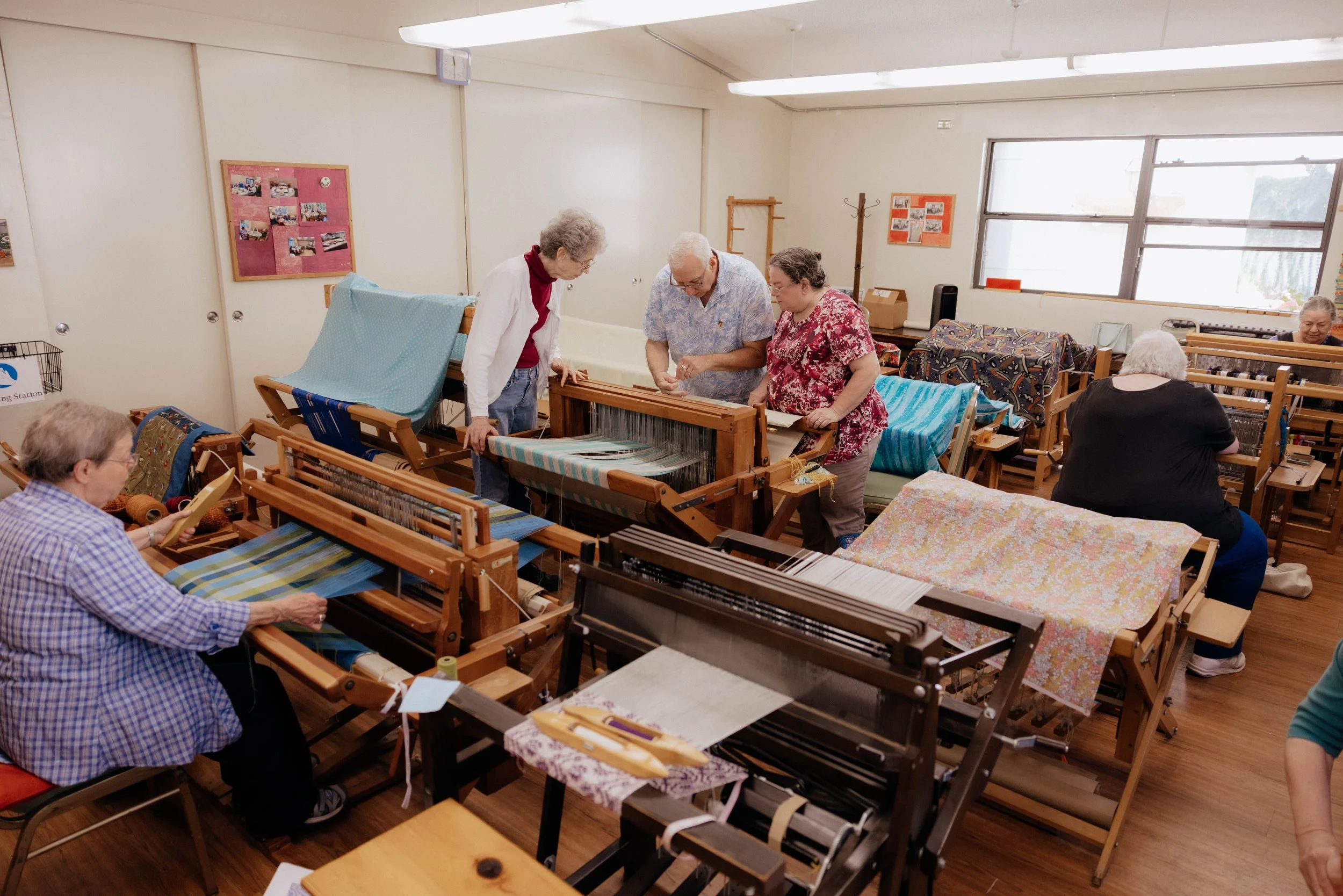
At a place like Pilgrim Place, independent living is not just about downsizing or convenience. It is about enriching one's life through social connection, opportunities for lifelong learning, spiritual and intellectual engagement, and a campus culture shaped by values rather than just amenities. For many people, that shift matters just as much as the practical benefits.

What Is Assisted Living?
Assisted living is designed for people who still want to maintain as much independence as possible but now need some consistent help with daily life.
That support may include medication management, help with bathing or dressing, mobility support, meals, wellness oversight, or assistance with routines that have become difficult or unsafe to manage alone.
A common misconception is that assisted living means giving up independence. In reality, good assisted living is built around preserving it. The goal is not to take over someone’s life. It is to provide the right level of support so they can continue living with dignity, structure, and confidence.
For many families, assisted living becomes the right next step when living alone starts to create more risk than reassurance.

The Biggest Differences
The biggest difference between independent living and assisted living comes down to daily support.
In independent living, residents generally manage life on their own. In assisted living, residents benefit from staff support with some routines and tasks that have become harder to manage independently.
Here are the clearest differences:
Level of Support
Independent Living: Minimal to no personal care support built into daily life
Assisted Living: Help is available with select daily activities and wellness needs
Daily Routine
Independent Living: Residents manage their own schedules, medications, and routines
Assisted Living: Residents still direct their own days, but support is available where needed
Staffing
Independent Living: Staff primarily support the community, dining, maintenance, and administrative services
Assisted Living: Staff are involved in care support, safety, and wellness oversight
Lifestyle
Independent Living: Best for someone seeking convenience, community, and freedom from home maintenance
Assisted Living: Best for someone who would benefit from support while still maintaining as much autonomy as possible
Long-Term Planning
Independent Living: Often chosen as a proactive lifestyle decision
Assisted Living: Often chosen when support needs are already becoming more evident

How Medicare, Medicaid, and Insurance Actually Factor In
Medicare does not cover room and board in either setting. This is one of the most common misconceptions families carry into the planning process, and discovering it too late can create real financial stress.
Medicare may cover limited skilled nursing care after a qualifying hospital stay, but only under specific conditions and only for a defined period. Some Medicare Advantage plans may include limited supplemental benefits like transportation or meal delivery, but those benefits do not cover the ongoing monthly costs of independent or assisted living.
Medicaid works differently. In some cases, it can help cover certain care-related services for qualifying residents in assisted living through state waiver programs, though it still generally does not cover room and board. In California, the Medi-Cal Assisted Living Waiver is one example families may want to explore, depending on eligibility and care needs.
Long-term care insurance may also help cover certain personal care services in assisted living if a policy’s benefit triggers are met, often based on needing help with two or more activities of daily living. It typically does not apply to independent living.
Because policies, eligibility requirements, and care costs vary widely, this is one area where planning early makes a significant difference. Families who review financial options before a crisis occurs usually have more flexibility and more peace of mind.
Matching the Right Option to Where Your Loved One Is Today
Choosing between independent living and assisted living is not just about checking boxes. It is about understanding where someone is right now, while also honoring how they want to live.
In independent living, the right fit is someone who feels capable and self-directed but is ready to let go of the responsibilities that come with maintaining a home. Daily life is still self-managed. Medications are handled independently. Mobility is steady and confident. But there is often a desire for something more: more connection, more ease, more opportunity to engage with others in meaningful ways. Independent living offers that balance. It removes the burdens of upkeep while opening the door to a community shaped by shared experiences, learning, and belonging.
Assisted living becomes the better fit when daily routines begin to feel less manageable alone. This might look like needing support with medications, help with dressing or bathing, or recovering from a fall that has changed someone’s sense of confidence. The goal in assisted living is not to replace independence, but to support it. Residents continue to make their own choices and shape their own days, while trained staff step in where support is needed to keep life both safe and fulfilling.
There is also a deeper question worth considering alongside this decision: what happens next?
At Pilgrim Place, this question is built into the structure of the community itself. As a continuing care retirement community, Pilgrim Place offers independent living, assisted living, memory care, and skilled nursing within one connected campus. That means a move into the community is not just about meeting today’s needs. It is a way of planning for the future without sacrificing continuity.
Instead of facing another major transition later, residents are able to remain in a familiar environment as their needs evolve. The relationships they build, the routines they establish, and the sense of place they develop do not have to be left behind. What could otherwise feel like a disruptive change becomes a more natural progression, supported by a community that already knows them.
For many families, that continuity offers something difficult to quantify but deeply important: stability, reassurance, and the confidence that care and community can grow together over time.
If you are weighing options and wondering what kind of support feels right for today — and what kind of community will still feel right in the years ahead — we invite you to give Pilgrim Place a call. A conversation with our team can help bring clarity, answer your questions, and make the next step feel a little less overwhelming.

Why This Decision Looks Different at Pilgrim Place
Not every retirement community is structured the same way, and not every community feels the same to live in.
At Pilgrim Place, the decision between independent living and assisted living exists within a larger philosophy: that aging should be approached with dignity, belonging, continuity, and purpose.
That matters because the right environment is central to one’s well-being. It is about whether a place feels socially meaningful, and aligned with how someone wants to live. For many residents, Pilgrim Place offers something more than convenience or care planning. It offers a genuine sense of community rooted in values, inclusion, service, and lifelong engagement. A move made thoughtfully can create stability now while also reducing the uncertainty later.
If you would like to speak with the Director of Admissions at Pilgrim Place to explore your options and determine if Pilgrim Place is the right fit for you, please call (909) 618-1832.
Moving Forward with Confidence
Independent living and assisted living are not competing options. They are thoughtful responses to different moments in a person’s life.
The clearest path forward begins with an honest look at the present. What parts of daily life still feel easy and fulfilling? What has started to feel more difficult or uncertain? What kind of support would bring not just safety, but peace of mind? When those questions are approached with clarity rather than urgency, the decision becomes less overwhelming and more intentional.
For many people, the real shift happens when small concerns begin to add up. A missed medication. A fall that shakes confidence. A growing sense that managing everything alone is no longer as simple as it once was. These are not just warning signs. They are invitations to start a conversation early, before a crisis forces a rushed decision.
At Pilgrim Place, those conversations are approached with care, respect, and a deep understanding that this is not just a logistical decision. It is a life transition. As a continuing care retirement community offering Independent Living, Assisted Living, Memory Care, and Skilled Nursing, Pilgrim Place is designed to support individuals not just where they are today, but where life may lead next.
That means the goal is not simply to determine a level of care. It is to help you think through what kind of environment you will feel supportive, engaging, and aligned with your values over time. A place where community, purpose, and belonging remain constant, even as needs evolve.
If you are starting to ask these questions, or simply want to understand your options in a more grounded, thoughtful way, we invite you to give Pilgrim Place a call. Our team is here to listen, answer your questions, and help you take the next step with clarity and confidence.
Frequently Asked Questions About Independent Living & Assisted Living
Choosing between independent living and assisted living often comes with practical, emotional, and financial questions. Below are answers to some of the most common questions families ask when they are trying to understand what level of support may be the right fit — and how a community like Pilgrim Place can help make that decision feel clearer, informed, and manageable.
-
Independent living is best for people who are still managing daily life on their own but want more convenience, connection, and freedom from home maintenance. Assisted living is designed for people who need help with some daily routines, such as medication management, bathing, dressing, or mobility.
-
Assisted living may be the right fit when daily life starts to feel harder or less safe to manage alone. Common signs include falls, missed medications, difficulty bathing, confusion, or growing isolation.
-
Medicare generally does not pay for room and board in independent living or assisted living. It may cover certain medical or short-term skilled care services under specific conditions, but it does not cover the regular monthly cost of living in either setting.
-
Yes. Pilgrim Place is a continuing care retirement community in Claremont, California, offering independent living, assisted living, memory care, and skilled nursing on one campus.
-
Yes. One of the benefits of a continuing care retirement community is the ability to remain within a familiar campus community as care needs change over time.
-
Pilgrim Place’s monthly fees include rent, residential fees, and dining fees. Residents also pay directly for utilities such as gas, electricity, television, and telephone. Listed prices reflect estimated base fees and are subject to change. Residents can also anticipate an annual increase in the monthly fee beginning January 1.
