
Why Eco-Conscious Retirement is the New Standard
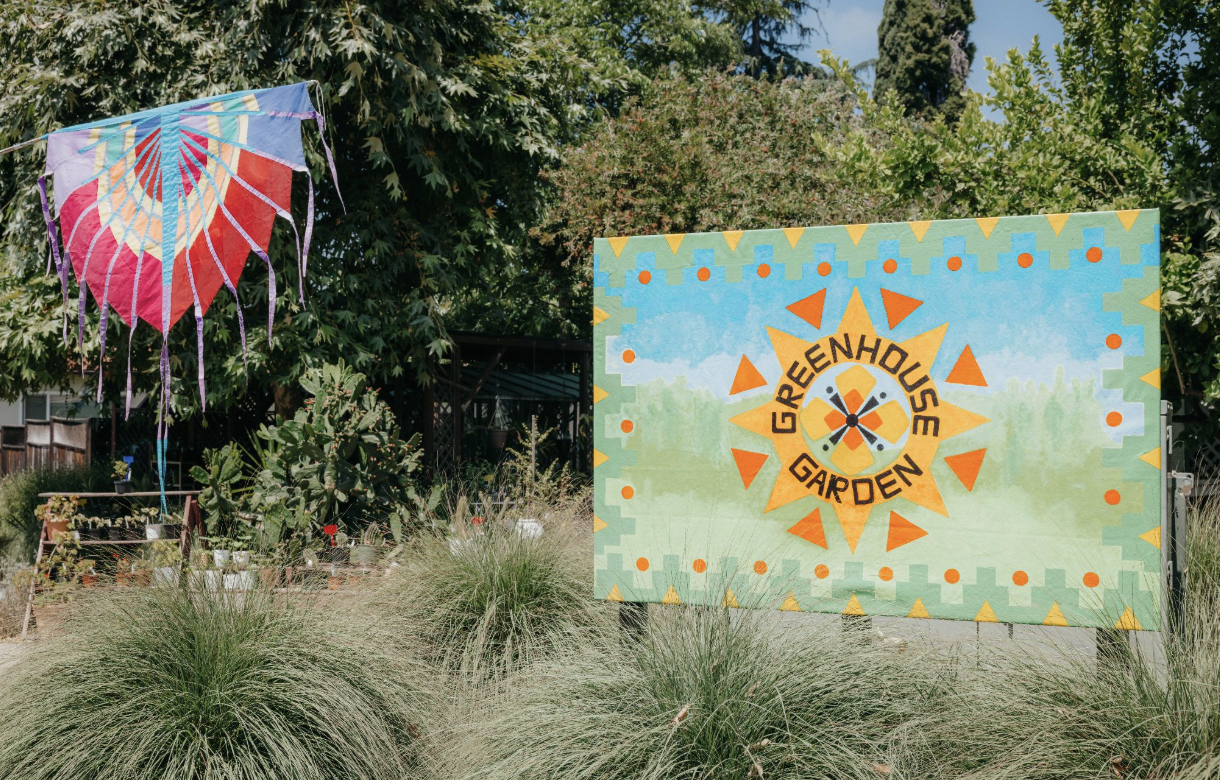
What does luxury mean when you've spent a lifetime caring about the planet? For a growing generation of retirees, the answer isn't a golf course—it's a community that reflects who they actually are. Sustainable senior living has moved from fringe to forefront, driven by people who want their later years to stand for something.
In California, that choice carries extra weight. Drought, heat, and wildfire have made environmental stewardship less philosophical and more personal. At Pilgrim Place in Claremont, we've spent years learning that going green in retirement isn't a sacrifice—it's what thriving looks like.
The Rise of the "Green" Retiree
Today’s retirees are more environmentally aware than any previous generation. Many spent their lives advocating for the planet and don't want to abandon those principles when they move into a Continuing Care Retirement Community (CCRC). They are looking for "Active Adult" lifestyles that go beyond fitness classes to include community gardening, composting, and carbon-footprint reduction.
Research shows that seniors living in "green" environments—those with high biodiversity and canopy cover—report lower stress levels and higher cognitive function. Sustainability in retirement isn't just good for the Earth; it’s a foundational pillar of senior wellness.
What Does Sustainable Senior Living Look Like?
When evaluating a retirement community's commitment to the environment, look for these three critical pillars:
1. The Urban Forest and Biodiversity
A sustainable campus shouldn't just be "landscaped"; it should be an ecosystem. Pilgrim Place, for example, is situated on 32 acres in Claremont—often called the "City of Trees." Our campus serves as an urban forest that provides a critical cooling effect, reducing the "heat island" impact common in Southern California.
By prioritizing native, drought-tolerant California plants, a community can significantly reduce its water consumption while providing habitats for local birds and pollinators. For residents, this means a retirement spent among the sights and sounds of a living landscape, rather than a sterile, water-intensive grass lawn.
2. Resident-Led Environmental Activism
True sustainability is rarely "top-down." The most eco-friendly retirement communities are those where the residents themselves lead the charge. At Pilgrim Place, our Environmental Concerns Committee isn't just a social club; it’s a driving force for campus policy.
From managing complex composting systems to advocating for energy-efficient retrofitting in historic homes, resident-led initiatives ensure that the community’s environmental footprint continues to shrink. This level of engagement provides a profound sense of purpose—knowing that your daily actions contribute to a legacy for future generations.
3. Sustainable Infrastructure and Transportation
A "green" CCRC should prioritize energy efficiency. This includes:
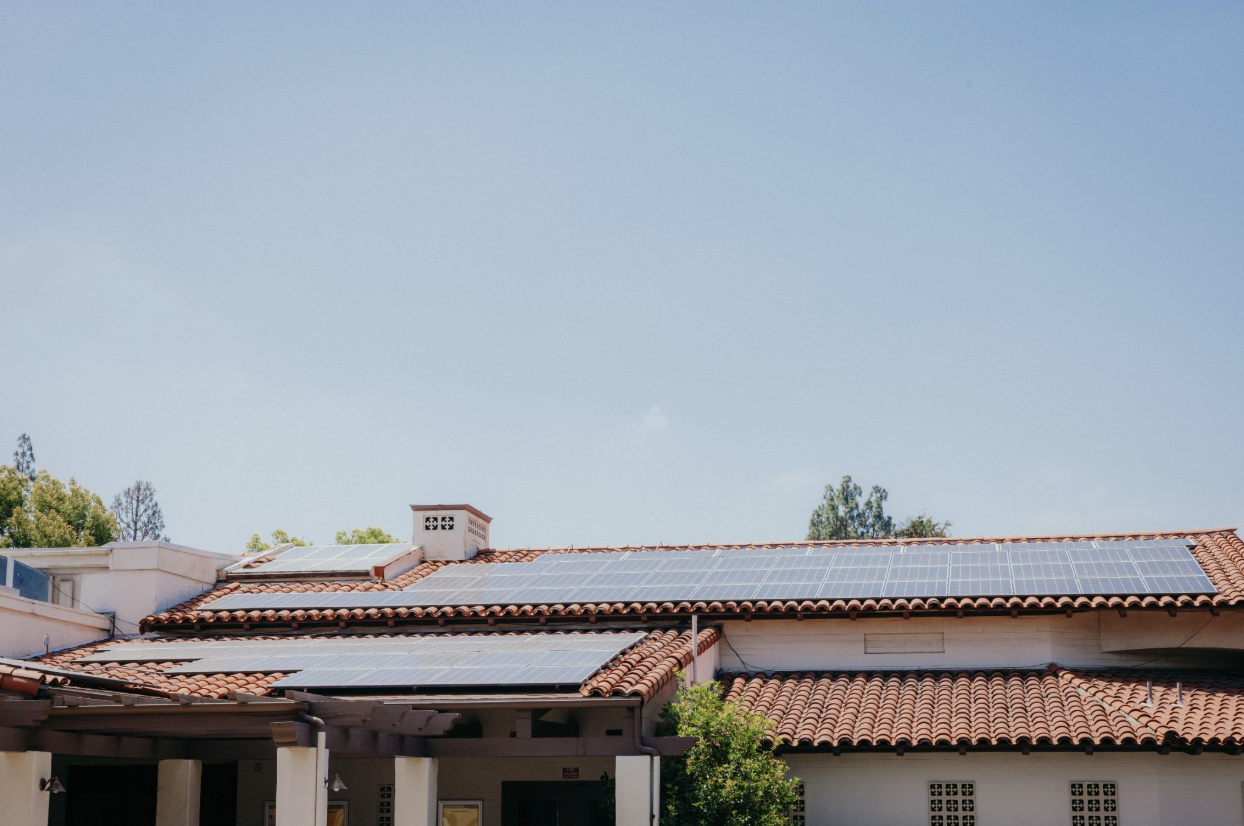
Solar Power: Harnessing the California sun to power communal spaces.
Walkability: A campus layout that encourages walking over driving.
Waste Reduction: Robust recycling programs and the elimination of single-use plastics in dining facilities.
The Connection Between Sustainability and Social Justice
At its core, environmentalism is a matter of justice. Purpose-driven communities understand that protecting the planet is inextricably linked to protecting the most vulnerable populations. By choosing a sustainable retirement community, you are participating in a larger movement for global equity.
In Claremont, the intergenerational connection through programs like the Napier Initiative often focuses on environmental justice, allowing residents to mentor students from the Claremont Colleges on projects ranging from local food security to climate policy.
Making the Move: How to Choose a Green Community
If environmental stewardship is a non-negotiable for your retirement, ask these questions during your tour:
Does the community have a formal climate action or sustainability plan?
How are residents involved in environmental decision-making?
What percentage of the campus is dedicated to native plants versus traditional turf?
What programs are in place for composting and water conservation?

Conclusion
When you walk through our 32-acre urban forest in Claremont, you aren't just looking at landscaping; you are looking at the result of decades of resident-led conservation. You are seeing the impact of people who decided that their "Golden Years" should be green. By joining a community that prioritizes native biodiversity, water conservation, and carbon reduction, you are joining a collective effort that is much larger than any one individual.
Sustainable living at this stage of life offers a rare and beautiful synergy: it protects the planet while simultaneously protecting your own well-being. The same trees that sequester carbon also provide the shade that keeps our walking paths cool for a morning stroll. The same organic gardens that reduce food miles also provide the nutrient-dense produce that fuels a healthy, active body.
If you have spent your life fighting for social justice, environmental protection, or the simple beauty of the natural world, your retirement should be the culmination of that work, not a departure from it. We invite you to explore how your values can find a permanent home here. Come walk our campus, speak with our Environmental Concerns Committee, and see for yourself how a purpose-driven, eco-conscious retirement is the ultimate way to honor the future.
Frequently Asked Questions: Sustainable Retirement
-
Initially, some green technologies like solar or high-efficiency HVAC systems have higher upfront costs. However, these investments lead to significantly lower utility bills over time. In a bundled-fee community, these savings help stabilize monthly costs for residents by insulating the community from rising energy and water prices.
-
Many eco-conscious communities, including Pilgrim Place, offer community garden plots. This allow residents to grow their own organic vegetables and flowers, promoting physical activity and providing fresh, local produce while reducing the carbon footprint associated with food transportation.
-
Natural "green spaces" are proven to lower cortisol (stress hormone) levels. Furthermore, communities that prioritize native plants and organic landscaping avoid the use of harsh chemical pesticides and fertilizers, leading to cleaner air and soil for everyone on campus.
-
An urban forest refers to the collection of trees and vegetation within a community that provides shade, oxygen, and wildlife habitats. For seniors, an urban forest provides shaded walking paths that make outdoor exercise safe and pleasant, even during the warmer California summer months.
