
The Campus Landscape at Pilgrim Place
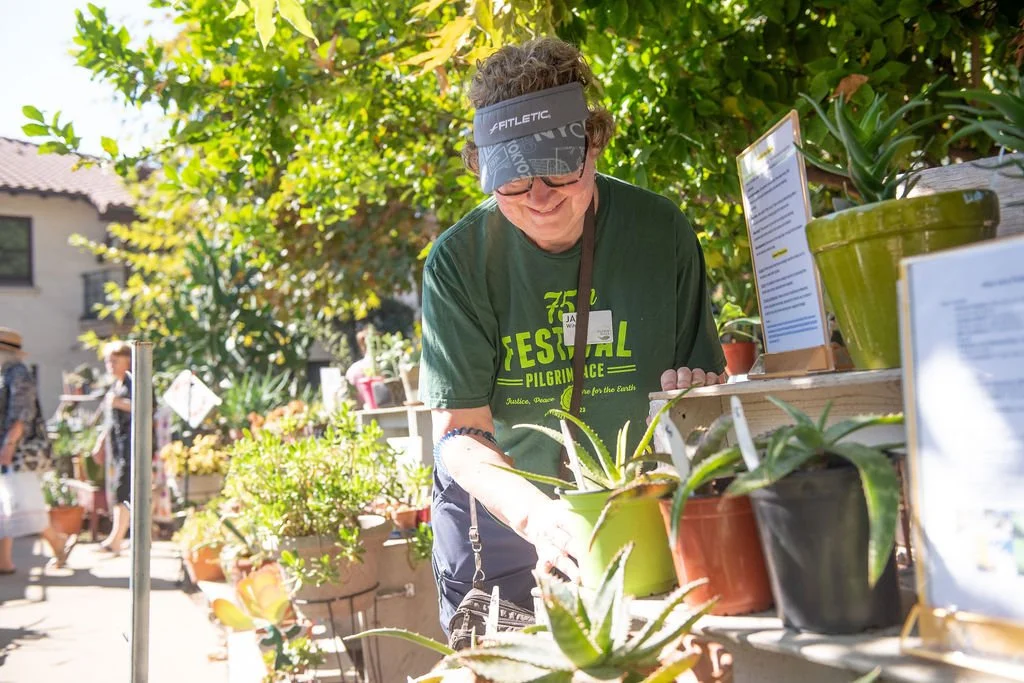
Native Plants, Sustainability, and Care for the Earth in a Claremont Retirement Community
At Pilgrim Place in Claremont, California, our commitment to caring for the earth begins at home. Our 32-acre campus is landscaped with California native plants, watered with attention to conservation, and cared for as a sanctuary that residents and Pilgrim Place neighbors can enjoy. The land itself is one of the ways we live out our values.
For a retirement community, the landscape is often treated as a backdrop. At Pilgrim Place, it is treated as an expression of who we are. That approach shapes what our campus looks like, how it functions, and how residents experience their daily surroundings.
This piece is for anyone considering independent living in Claremont, California, or for adult children helping a parent evaluate whether a retirement community shares their values around sustainability and land stewardship. We will walk through how the Pilgrim Place campus is designed, why California native plants matter for the land and for the community, how our water practices reflect our commitment to conservation, and why the campus landscape is more than a physical amenity at a values-driven community.
What Does the Pilgrim Place Campus Landscape Look Like?
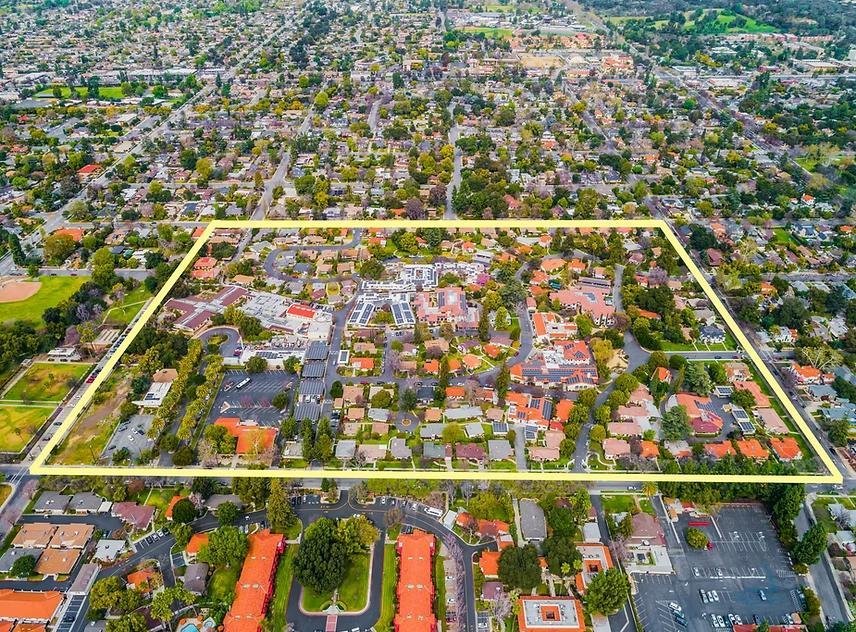
The Pilgrim Place campus covers 32 acres in the heart of Claremont, California. The landscape is intentionally designed around California native plants and conservation-minded water use. Walking paths thread through the campus. Gardens and shaded gathering spots invite residents outdoors throughout the day.
The result is a landscape that feels alive with the local ecology rather than imposed onto it. Native oaks and sages. Manzanita and ceanothus. Seasonal wildflowers that draw pollinators. The plants that thrive here are the ones that belong here.
Residents describe the campus as a sanctuary. That word matters. The landscape gives Pilgrim Place a quality of place that few retirement communities can match, and it does so while respecting the ecology of southern California rather than fighting it.
Why California Native Plants Matter
Native plant landscaping is not just an aesthetic choice. It is a set of decisions that add up to a meaningful commitment to the land.
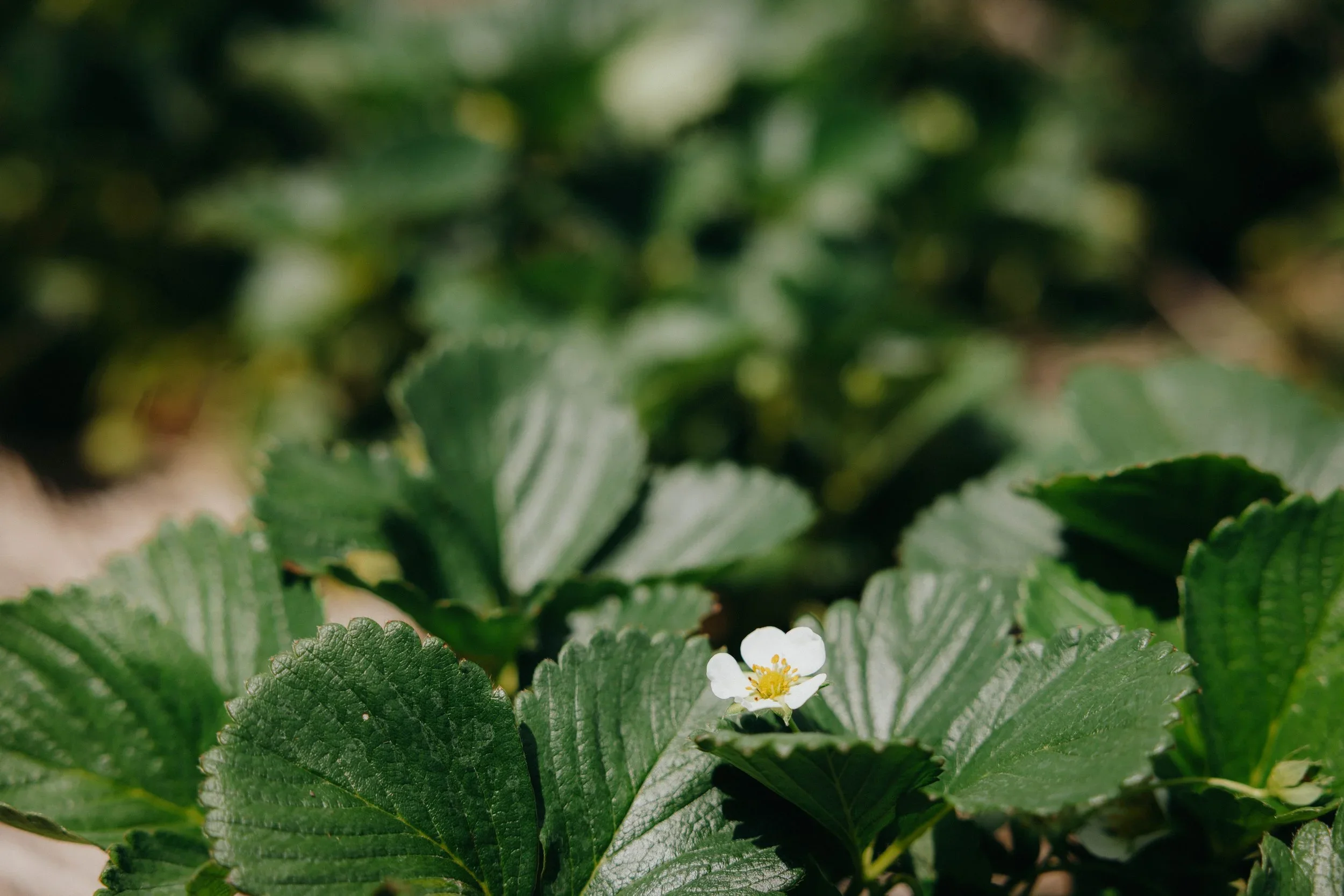
California native plants are adapted to the region's climate. They use less water than non-native ornamentals, tolerate seasonal drought without dying back, and support the local ecosystem in ways that imported plants cannot. Native oaks host hundreds of species of insects, birds, and other wildlife. Native pollinator plants sustain the bees, butterflies, and hummingbirds that keep the broader ecosystem healthy.
For a community in southern California, choosing to landscape with native plants is a decision that reduces water use, reduces the ecological load of maintenance, and creates a campus that participates in the region's ecology rather than isolating from it.
At Pilgrim Place, that decision reflects our broader values around care for the earth, environmental stewardship, and community responsibility to the wider world we live in.
Water Conservation on Campus
Southern California's water challenges are not abstract. Every gallon of water used on a retirement community campus is a gallon that is not available for other uses in the region.
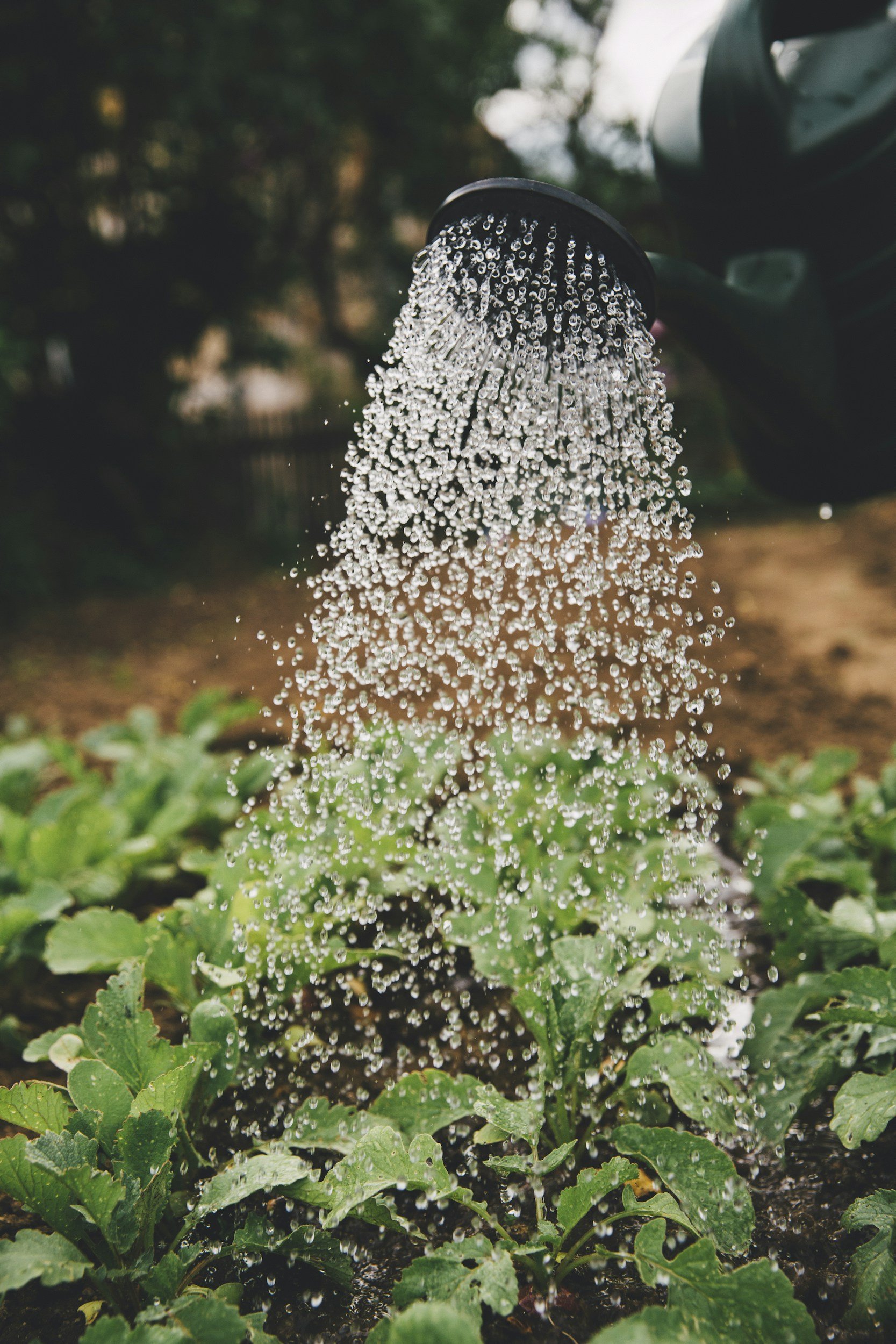
Pilgrim Place monitors water usage carefully across the campus. Landscape choices are made with water conservation in mind. Native plants that thrive on the region's natural rainfall are prioritized over water-intensive alternatives. Irrigation is targeted rather than blanket. Practices are reviewed and improved over time.
That approach is one small example of how our care for the earth shows up in daily operational decisions. It also gives residents confidence that the community they have chosen is living out its stated values, not just describing them.
A Sanctuary for Residents and Neighbors
The Pilgrim Place campus is described as a sanctuary because residents and neighbors experience it that way. Walking paths give residents daily opportunities to move through the landscape. Shaded gathering spots invite conversation outdoors. Gardens draw residents outside to notice a bloom, hear a bird, or simply sit in the warmth of the afternoon.
The campus is also welcoming to Pilgrim Place neighbors in the broader Claremont community. The California Botanic Garden, the largest botanic garden in the country dedicated to California native plants, sits just five minutes away, and residents often walk from campus into the botanic garden's 86 acres of living museum.
That connection to the surrounding landscape matters. Pilgrim Place is not an island. The campus is designed to be part of the ecology of Claremont, contributing to it rather than extracting from it.
How the Campus Landscape Fits Into Life at Pilgrim Place
The campus landscape shapes daily life for residents in ways that are easy to notice and easy to underestimate. A resident who walks the campus every morning is moving through native plantings, catching light on a manzanita bloom, or seeing a bird that has returned for the season. A resident who sits on a shaded bench to read is participating in the campus as a working ecosystem.
For prospective residents evaluating continuing care retirement communities in California, a campus that has been thoughtfully designed around sustainability and native plantings is not just a nicer place to live. It is evidence that the community's stated values around environmental stewardship show up in the physical decisions the community makes about its own land.
That kind of alignment between values and daily practice is one of the things that makes Pilgrim Place distinctive among retirement communities.

The Bigger Picture: Care for the Earth as a Community Value
Pilgrim Place was founded in 1915 by a group whose commitments included service, justice, and care for the wider world. That founding commitment has evolved over more than a century, and care for the earth has become one of its most visible modern expressions. The campus landscape is one form. The community's engagement with sustainability at every level is another.
For residents who have spent careers in environmental work, ministry, education, or advocacy on climate and stewardship issues, a community that lives its environmental values through its own land management is often the right fit. For adult children evaluating retirement communities for a parent who has always cared about the environment, the campus landscape is one of the clearest signals that the community walks the talk.
Final Thoughts
If you are researching independent living in Claremont, California, or considering values-driven retirement community options across the state, the Pilgrim Place campus itself is worth walking. The landscape tells you what the community actually cares about.
Come visit. Walk the campus. Notice the plants. Notice the way water is or is not being used. Notice the residents who are outside, and how they move through the land. What you observe will tell you a great deal about the community you would be joining.
Schedule a Visit to Pilgrim Place
The best way to understand the campus and the community at Pilgrim Place is to walk the land yourself. Take a tour, meet residents, and experience the sanctuary of the campus firsthand. Schedule a visit or speak with a member of our team to learn more about Independent Living at Pilgrim Place in Claremont, California.
-
The Pilgrim Place campus covers 32 acres in Claremont, California. The campus is landscaped with California native plants and designed as a sanctuary for residents and Pilgrim Place neighbors to enjoy.
-
California native plants are adapted to the region's climate and support the local ecosystem in ways that non-native ornamentals cannot. Landscaping with natives reduces water use, supports pollinators and wildlife, and reflects Pilgrim Place's broader commitment to care for the earth.
-
Pilgrim Place monitors water usage across the campus and prioritizes landscape choices that reduce water demand. Native plants that thrive on southern California's natural rainfall are chosen over water-intensive alternatives, and irrigation is targeted rather than blanket.
-
Yes. The Pilgrim Place campus is designed as a sanctuary for residents and Pilgrim Place neighbors alike. Walking paths and gathering spots invite the wider Claremont community into the campus in ways that reflect Pilgrim Place's commitment to being an engaged part of the neighborhood.
-
The campus landscape is one of the most visible expressions of Pilgrim Place's commitment to care for the earth. Native plantings, water conservation practices, and the sanctuary quality of the campus all reflect a community that lives its environmental values through the physical decisions it makes about its own land.
-
Pilgrim Place is a values-driven continuing care retirement community in Claremont, California, located on a 32-acre campus at 625 Mayflower Road. Independent Living inquiries can reach the community at (909) 768-7698.
