Patient Advocacy at Pilgrim Place
How Residents Care for One Another in a Claremont Retirement Community
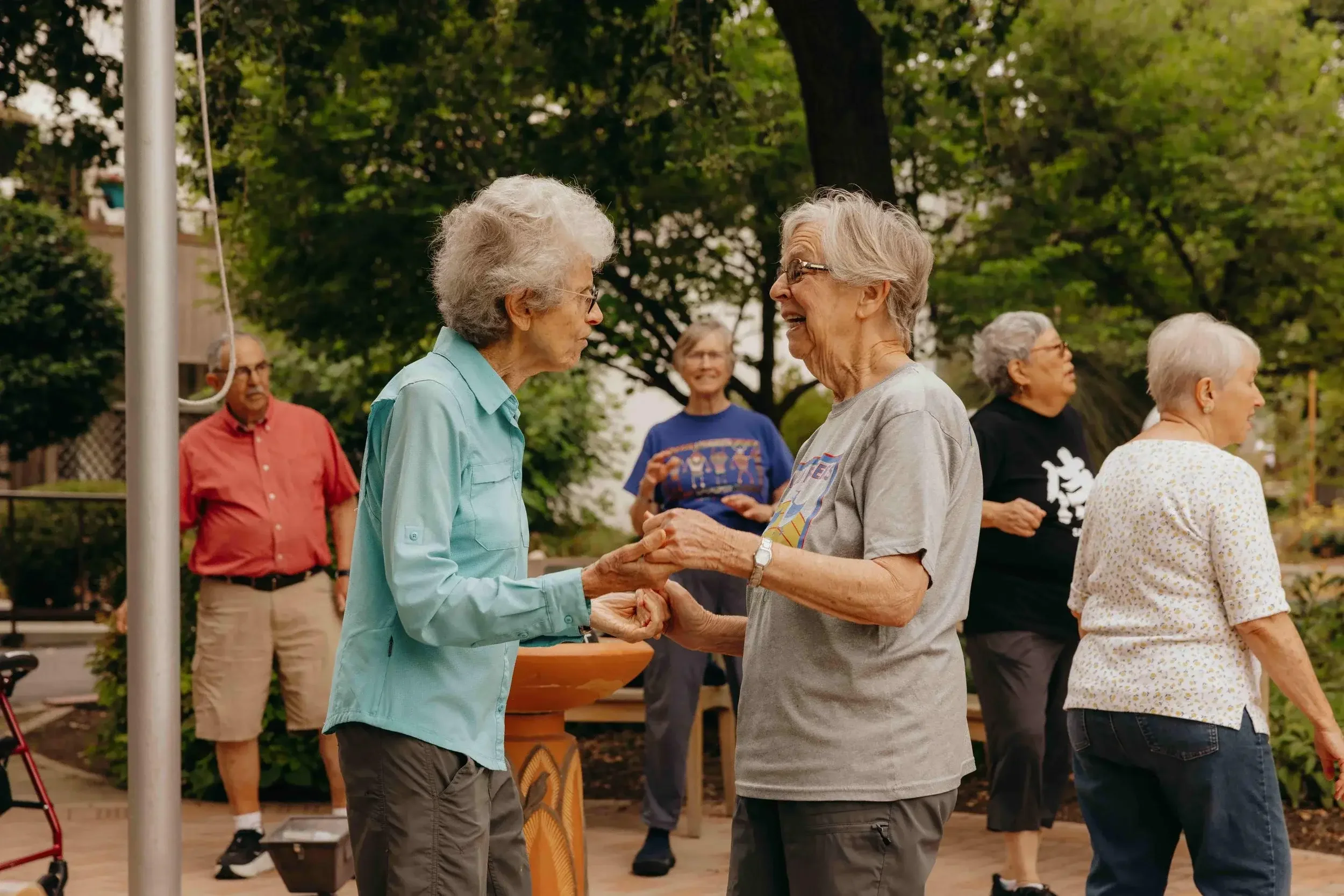
At Pilgrim Place in Claremont, California, caring for one another is not a value we describe. It is a practice residents live daily. Our Patient Advocacy program pairs Independent Living residents with community members who have transitioned to higher levels of care, so no one navigates the changing arc of later life alone.
For adult children evaluating retirement communities for a parent, this is often one of the details that stands out most. Most continuing care retirement communities offer clinical care. Fewer build a resident-led culture of peer advocacy alongside that care. Fewer still make it a core part of who they are.
This piece is for anyone considering independent living in Claremont, California, or for adult children helping a parent think through what continued belonging looks like at a retirement community as needs change. We will walk through what Patient Advocacy means at Pilgrim Place, why it works the way it does, how it fits into our broader values-driven culture, and what it says about a community that treats residents as neighbors first and patients only when clinical care is needed.
What Is Patient Advocacy at Pilgrim Place?
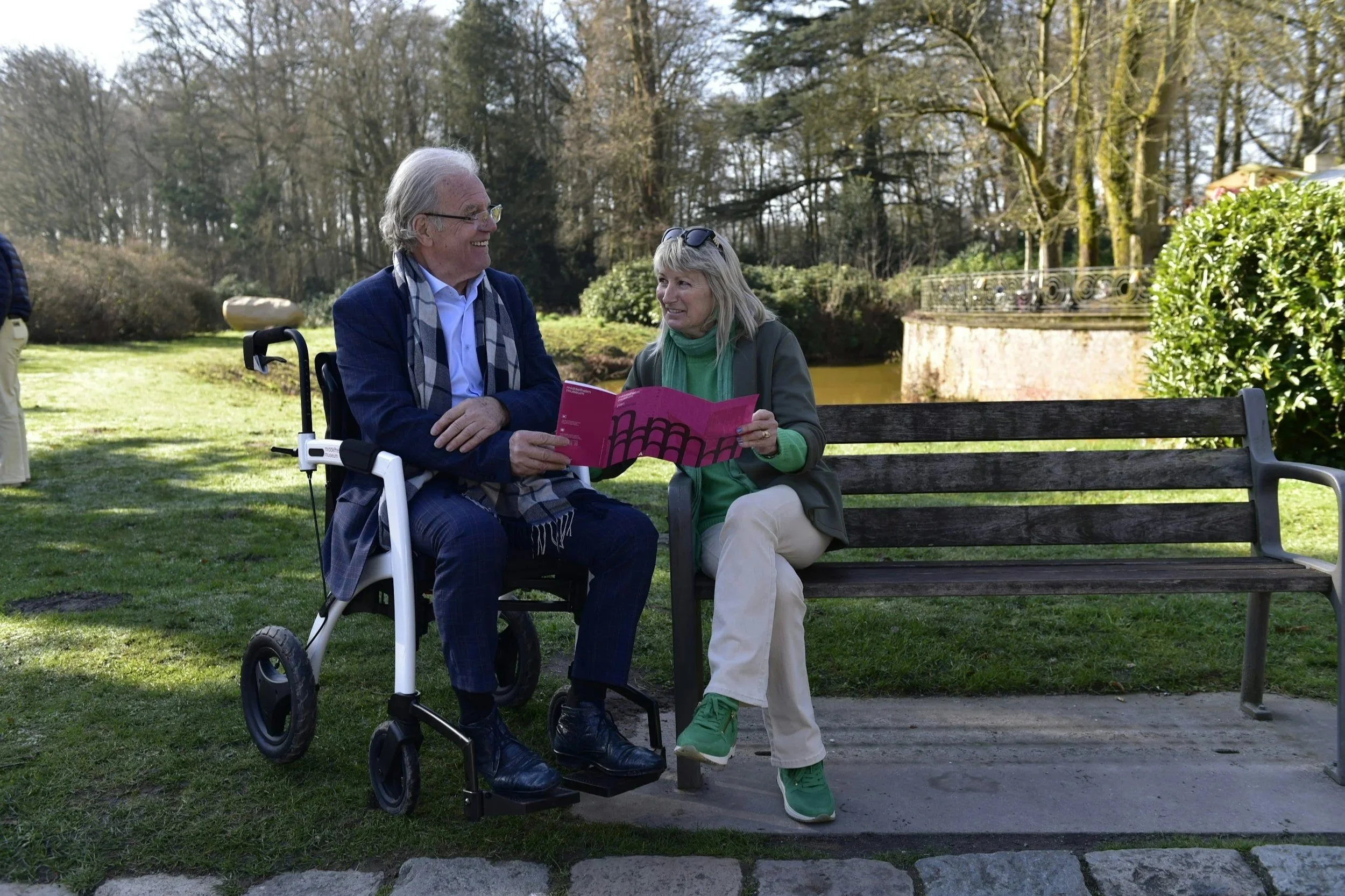
Patient Advocacy at Pilgrim Place is a resident-led program in which Independent Living residents serve as advocates for community members who have transitioned to Assisted Living or Skilled Nursing. The advocates visit, listen, help navigate care-related questions, communicate with family members, and maintain relationships with the residents they support.
The premise is simple and worth naming clearly: no one who has built a life at Pilgrim Place should be alone in the harder chapters of it. Residents in Independent Living carry the community forward for their neighbors who need support, and the community stays whole across every level of care.
Why Peer Advocacy Matters
The best clinical care in the world does not solve for community. Residents who move from Independent Living to a higher level of care often experience a subtle isolation. Their daily rhythms change. Their old dining table may no longer be their table. Friends may struggle to visit as often. The community they helped build can feel further away.
Peer advocacy addresses that gap. When an Independent Living resident who has known someone for years visits them in Assisted Living, sits with them, catches them up on campus life, and advocates for them in care conversations, the community itself remains part of the resident's daily life.
That continuity matters for wellbeing. Research on aging and healthcare consistently shows that social connection and continued belonging are among the most powerful protective factors as needs change. Peer advocacy is one of the practical ways Pilgrim Place supports that continuity.

How Patient Advocacy Works in Practice
Patient Advocacy at Pilgrim Place is resident-led. Independent Living residents volunteer to serve as advocates and are matched with community members receiving higher levels of care. The relationship then unfolds according to what the resident being supported needs.
Some advocates visit weekly. Some visit more often. Some read aloud to residents who have lost the ability to read on their own. Some help residents communicate with family members far away. Some sit in on care conversations to be a second set of ears. Some simply hold the resident's hand and stay present.
The advocacy work does not replace the clinical care team at the Wellness Clinics and Health Services Center. It complements it. Clinical staff bring their expertise. Advocates bring the years of shared history that make a resident feel known.
A Culture of Mutual Care
Patient Advocacy is not a stand-alone program at Pilgrim Place. It is one visible expression of a broader culture that runs through the entire community: residents caring for residents.
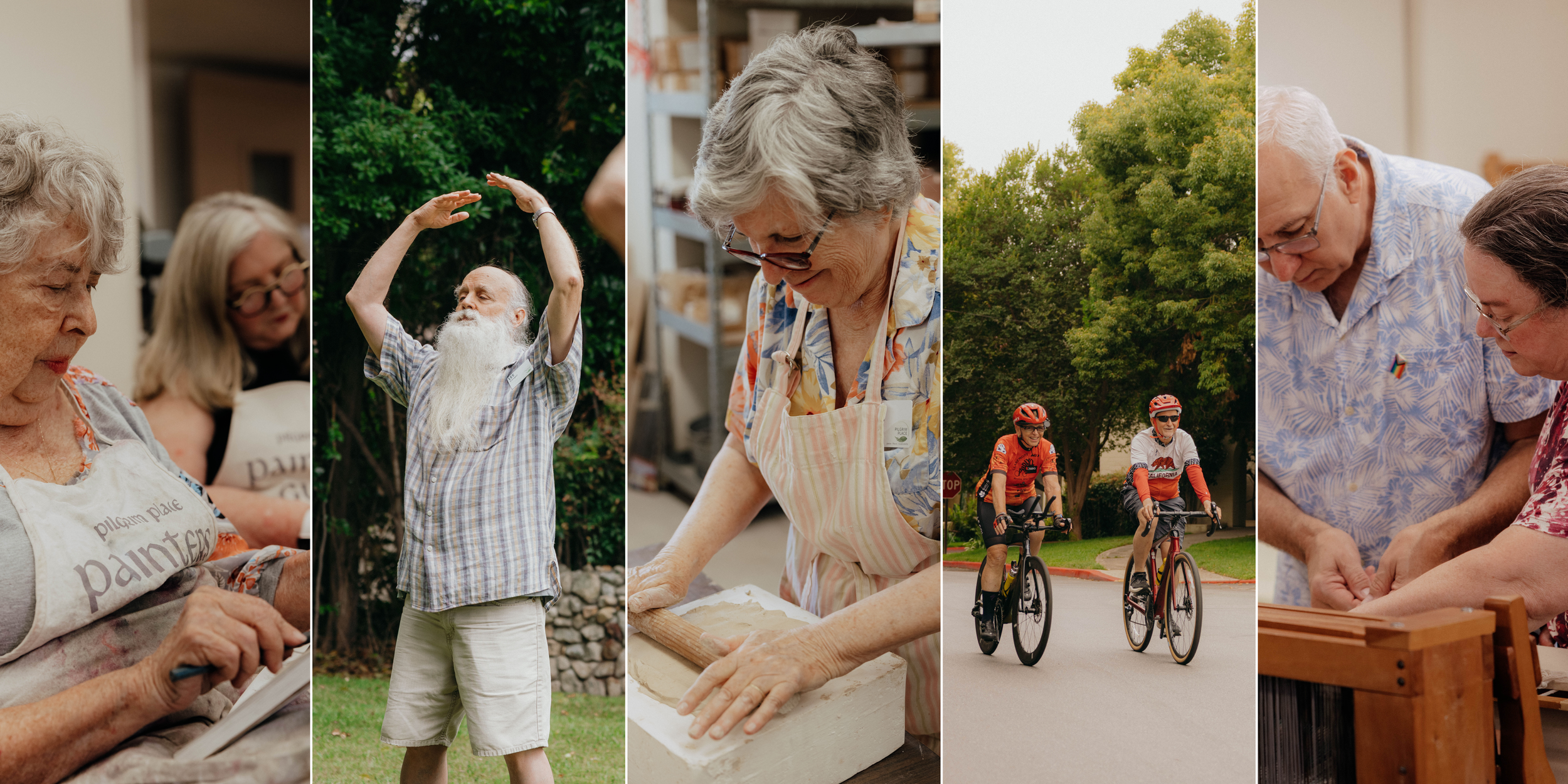
That culture shapes many other patterns on campus. Residents lead most of the weekly programs. Residents shape governance through resident-led committees. Residents mentor students at the Claremont Colleges through the Napier Initiative. Residents give Andiron talks about their lives to their neighbors. Residents shape the community they live in, and they extend that shaping to how they care for one another as needs change.
For prospective residents comparing values-driven CCRCs, that culture of mutual care is worth watching for on any tour. Communities where staff carry all the caregiving are one kind of community. Communities where residents themselves see caring for their neighbors as part of what makes the community theirs are a different kind.
The Bigger Picture: What Community Continuity Looks Like
Pilgrim Place was founded in 1915 by people who understood their lives as service. That founding instinct still shapes the community more than a century later. Patient Advocacy is one of the clearest expressions of it, because it says something specific about what community means at Pilgrim Place.
The community does not end at Independent Living. It carries through Assisted Living, through Skilled Nursing, through the harder chapters that residents may face over time. Neighbors remain neighbors. Advocates remain advocates. Care becomes something shared rather than something outsourced.
For adult children evaluating continuing care retirement communities in California for a parent, that continuity is worth understanding. It shapes the day-to-day experience of a resident whose needs change over time. It also shapes how a parent's later years feel to the family supporting them from afar.
Final Thoughts
If you are researching independent living in Claremont, California, the Patient Advocacy program at Pilgrim Place is one of the clearest windows into how the community actually functions. Not through what the marketing says, but through what residents do for each other every week.
Come tour the campus. Meet Independent Living residents who serve as advocates. Ask them what the work looks like day to day. What you learn will tell you a great deal about the community you would be joining, and about how your later years might feel here.
Schedule a Visit to Pilgrim Place
The best way to understand community life at Pilgrim Place is to spend time here. Tour the campus, meet residents, and see how neighbors care for one another. Schedule a visit or speak with a member of our team to learn more about Independent Living at Pilgrim Place in Claremont, California.
-
Patient Advocacy at Pilgrim Place is a resident-led program in which Independent Living residents serve as advocates for community members who have transitioned to higher levels of care. Advocates visit, listen, help navigate care questions, and stay in relationship with residents across the community.
-
Patient advocates at Pilgrim Place are Independent Living residents who volunteer to support neighbors receiving Assisted Living or Skilled Nursing. The advocacy work is resident-led and grounded in the longstanding relationships residents have built at the community.
-
Clinical care at Pilgrim Place is provided by the trained team at our Wellness Clinics and Health Services Center. Patient Advocacy is a resident-led complement to that clinical care, focused on continued community belonging and support rather than medical treatment.
-
Patient Advocacy pairings are made based on the preferences and needs of both the resident receiving support and the advocate. The program is built to serve community members across levels of care, with the specifics of each pairing shaped by relationship history and resident preferences.
-
Patient Advocacy is one of several ways residents at Pilgrim Place actively shape and support the community. Alongside resident-led governance, the Napier Initiative with the Claremont Colleges, Andiron talks, and many other programs, Patient Advocacy reflects the community's founding value that residents themselves are the community.
-
Pilgrim Place is a values-driven continuing care retirement community in Claremont, California, located on a 32-acre campus at 625 Mayflower Road. Independent Living inquiries can reach the community at (909) 768-7698.
