Living in a 55+ Community: What to Know and Why Pilgrim Place Is Different












Choosing where to live in this next chapter of life is more than a housing decision. It’s a values decision.
For those exploring 55+ communities or independent living options in Claremont, California, the decision often brings thoughtful questions:
Will I feel connected?
Will I still feel purposeful?
Will this community reflect who I am?
At Pilgrim Place, we believe retirement should not mean stepping away from meaning. It should be a continuation of a life grounded in purpose, justice, learning, and belonging.
What Is a 55+ Community?
55+ communities — sometimes called active adult or age-restricted communities — are designed for people seeking:
Maintenance-free living
Built-in social opportunities
Access to amenities and wellness programs
A community of peers in a similar stage of life
These communities can offer convenience and connection. But they vary widely in culture, depth, and long-term support.
The Benefits of 55+ Living
1. Community and Social Engagement
Living among peers can foster meaningful friendships and shared experiences. Organized activities, discussion groups, and cultural events create opportunities for connection.
2. Maintenance-Free Living
Exterior upkeep, landscaping, and repairs are typically handled by the community. This allows residents to focus less on household tasks and more on personal interests.
3. Wellness and Active Living
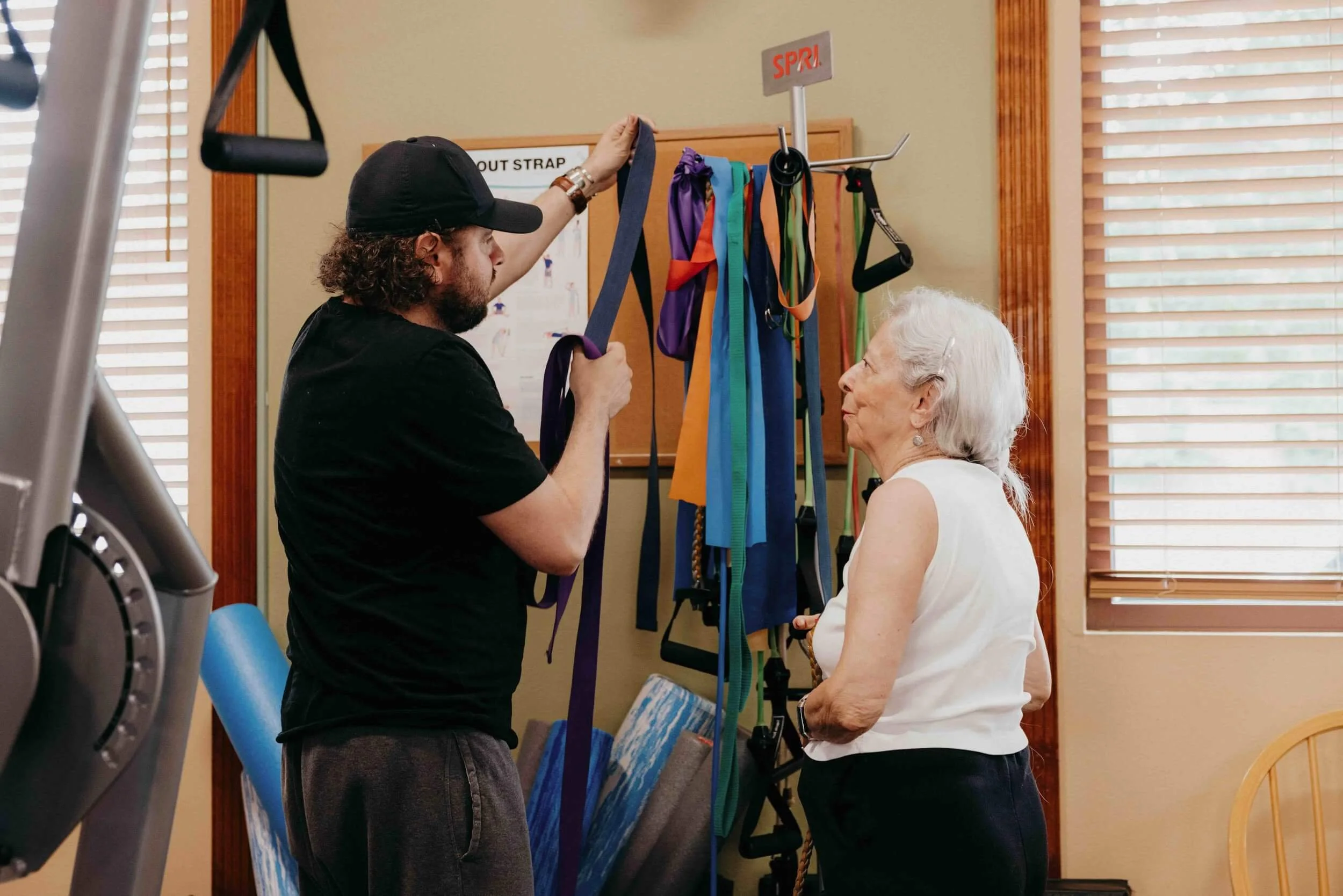
Fitness classes, walking paths, and wellness programming help residents maintain physical health. Some communities offer access to healthcare partnerships or on-site support.
For many, these benefits create both peace of mind and renewed energy.
4. Built-In Social Opportunities
From book clubs to lectures to volunteer initiatives, there is often an intentional effort to cultivate engagement and participation.
For many, these benefits offer peace of mind and renewed energy.
Potential Considerations Before Choosing a 55+ Community
Not every 55+ community feels the same.
Some emphasize amenities over meaningful connections.
Some feel socially active but lack depth.
Some offer independent living without a long-term care plan.
It’s important to ask:
Is this simply a place to live — or a place to belong?
Does this community reflect my values?
Will I feel intellectually and spiritually engaged here?
Is there a plan for future care if my needs change?
These questions matter.
Why Pilgrim Place Is Different from Other 55+ Communities
Pilgrim Place is not just an age-restricted community. It is a Continuing Care Retirement Community (CCRC) rooted in shared purpose.
Founded in 1915, Pilgrim Place has long welcomed individuals who have dedicated their lives to service — clergy, educators, nonprofit leaders, social advocates, caregivers, and those committed to justice and compassion.
1. A Community of Shared Purpose
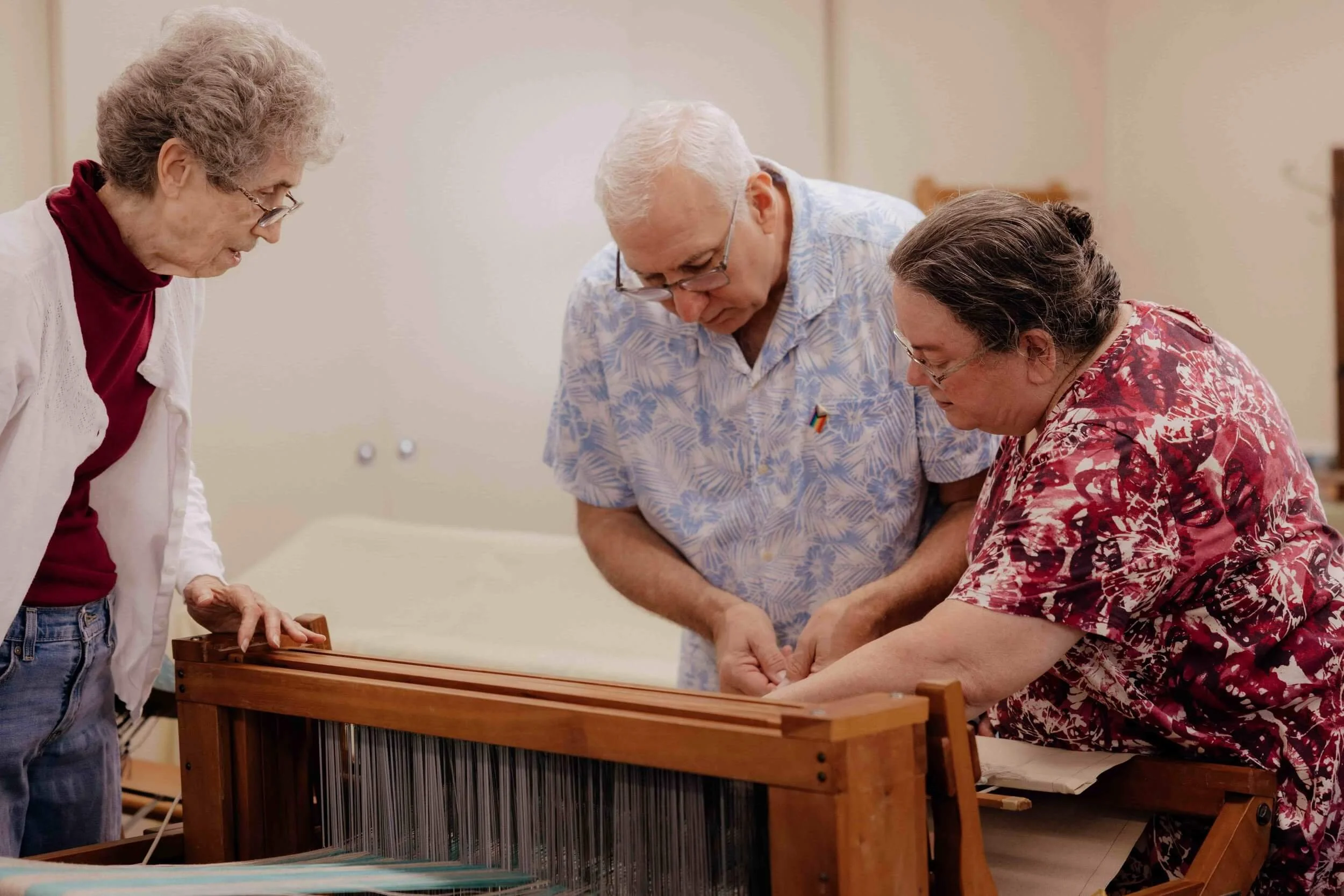
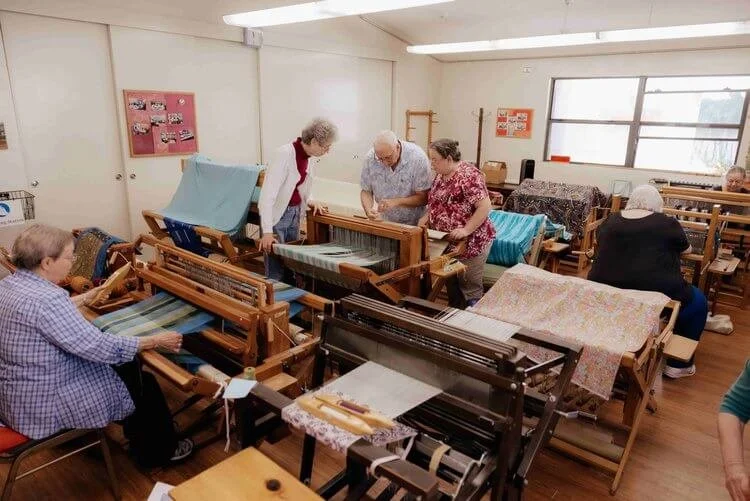
Life at Pilgrim Place is shaped by thoughtful conversation, civic engagement, lifelong learning, and spiritual exploration.
Residents here care deeply about the world — and about one another.
This creates a culture that feels intentional, not transactional.
2. Independent Living with a Continuum of Care
Unlike many 55+ communities that offer only independent living, Pilgrim Place provides a full continuum of care:
Independent Living
Assisted Living
Memory Care
Skilled Nursing
This allows residents to age in place with stability and dignity, without leaving the community they call home.
3. An Ethos You Won’t Find Elsewhere
Pilgrim Place is grounded in:
Inclusion and authentic belonging
Social responsibility and justice
Environmental stewardship
Intellectual curiosity
Spiritual openness
This ethos cannot be manufactured through amenities. It emerges from the people who live here.
Many residents describe Pilgrim Place not simply as a retirement community, but as a continuation of their life’s calling.
4. A Campus Designed for Reflection and Connection
Located in Claremont, California, Pilgrim Place offers independent living within a historic campus that blends natural beauty with walkable pathways, mature trees, and gathering spaces designed for conversation and community.
It is peaceful — but never stagnant.
Engaged — but never overwhelming.
Thoughtful — without being rigid.
Financial Considerations of 55+ Living and CCRCs
Most 55+ communities operate with monthly service fees. Continuing Care Retirement Communities, including Pilgrim Place, typically include:
An entrance fee
Monthly service fees
Access to future levels of care
This structure offers long-term stability and predictability. We encourage prospective residents to explore financial planning carefully and transparently.
Is Pilgrim Place the Right Independent Living Community for You?
Pilgrim Place may be the right fit if you are seeking:
A values-driven independent living community in California
A retirement community with intellectual and spiritual depth
A CCRC that allows you to age in place
A culture of inclusion and civic engagement
A community where your life experience is honored
Choosing a retirement community is not about checking boxes. It’s about recognizing when a place feels aligned.
Experience the Difference at Pilgrim Place
Retirement should not feel like retreat.
It should feel like expansion — into deeper relationships, continued learning, and meaningful belonging.
If you are exploring 55+ communities or independent living options in Claremont, California, we invite you to discover how Pilgrim Place stands apart.
Because the next chapter of life deserves more than convenience. It deserves community.
FAQ — Living in a 55+ Community
Get answers to common questions about living in a 55+ community, including independent living, costs, benefits, and how to choose the right fit for long-term living.
-
Living in a 55+ community typically means maintenance-free housing, organized social activities, and neighbors in a similar stage of life. Residents often enjoy built-in social engagement and amenities. However, the experience can vary widely depending on whether the community is amenity-focused or values-driven.
-
Living in a 55+ community comes with a mix of benefits and important considerations depending on your priorities.
Benefits:
Maintenance-free living
Built-in social opportunities
Age-peer environment
Access to amenities
Things to consider:
Monthly fees
Age restrictions
HOA or community rules
Limited healthcare planning in non-CCRC communities
Choosing the right community depends on whether you value convenience alone or long-term stability and culture.
-
Living in a 55+ community can come with a few limitations depending on the structure of the community.
Some of the most common concerns include:
• Monthly fees and financial commitments
• Community rules or HOA guidelines
• Age restrictions that limit intergenerational living
• Limited access to higher levels of care in communities that only offer independent livingMany of these considerations depend on how the community is structured.
In Continuing Care Retirement Communities (CCRCs) like Pilgrim Place, many of these concerns are addressed through:
• A full continuum of care
• Long-term stability and planning
• A more intentional, values-driven community structureFor many residents, this creates a greater sense of security and belonging over time.ext goes here
-
Most 55+ communities require at least one resident to be 55 or older. Many have HOA guidelines related to property appearance, guest stays, and community standards. Rules vary widely, so reviewing the community’s governing documents is essential before moving.
-
For many, yes. It offers convenience, social connection, and reduced home maintenance. The long-term value often depends on whether the community provides stability and access to future care as needs change. Communities with a full continuum of care, like Pilgrim Place, can offer added peace of mind by allowing residents to age in place.
-
Costs can vary widely depending on the type of community and level of services provided.
Most 55+ communities include monthly maintenance or HOA fees. Some require a purchase price for the home.
Continuing Care Retirement Communities (CCRCs), like Pilgrim Place, typically include:
• An entrance fee based on residence size and plan
• Monthly service fees covering maintenance, dining, and amenities
• Access to future levels of care as needs changeAt Pilgrim Place, entrance fees and monthly costs vary based on the residence and living arrangement, but are designed to provide long-term stability, predictability, and access to a full continuum of care.
We encourage prospective residents to explore pricing details and speak with our team to understand the best fit for their needs.
-
A 55+ community typically offers independent living with amenities and social opportunities. A Continuing Care Retirement Community (CCRC) provides independent living along with assisted living, memory care, and skilled nursing on the same campus.
This allows residents in a CCRC to age in place with access to higher levels of care without needing to relocate if their needs change.
-
Start by identifying your priorities, including social engagement, financial predictability, healthcare access, and overall community culture. Visit communities in person, ask about long-term care options, and speak with current residents.
The right choice often comes down to whether the community offers not just amenities, but long-term stability, meaningful connection, and a sense of belonging.
-
Pilgrim Place is a Continuing Care Retirement Community in Claremont, California, known for its values-driven culture rooted in service, inclusion, and lifelong learning.
Unlike many amenity-focused 55+ communities, Pilgrim Place offers independent living alongside assisted living, memory care, and skilled nursing—allowing residents to age in place within a community grounded in purpose, connection, and belonging.
