Interfaith Services at Pilgrim Place: A Retirement Community of Many Spiritual Traditions
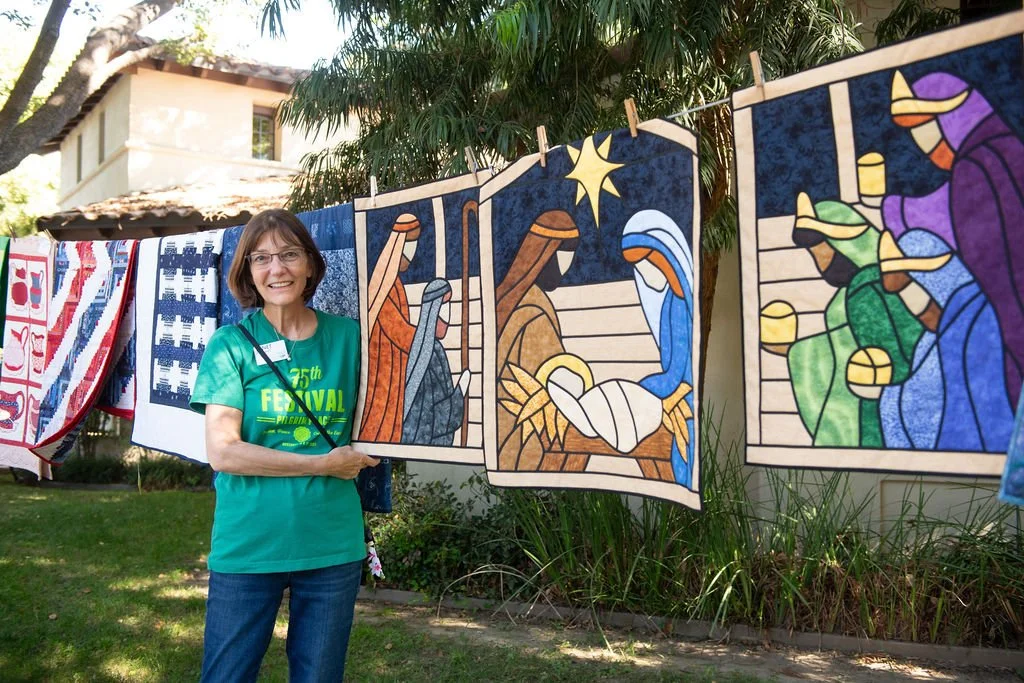
Pilgrim Place in Claremont, California is home to many different expressions of faith. All are honored through weekly services and seasonal celebrations, most of which are led by residents themselves. That fact — an interfaith retirement community shaped by the people who live in it — sets Pilgrim Place apart from most retirement communities in California.
For adults searching for a retirement community where their spiritual life will be welcomed, respected, and given room to grow, understanding what interfaith actually means in practice is important. It is one thing for a community to say it welcomes people of all faiths. It is another to build a weekly rhythm of services and celebrations that reflect that welcome in real terms.
This piece is for anyone researching independent living in Claremont, California, or for adult children helping a parent think about how spiritual and religious life fits into a retirement community. We'll walk through what interfaith services look like at Pilgrim Place, why an inclusive spiritual community matters at this stage of life, how resident-led practice shapes the community, and what makes Pilgrim Place a genuinely welcoming home for people of diverse spiritual backgrounds.
What Are Interfaith Services at Pilgrim Place?
Interfaith services at Pilgrim Place are weekly and seasonal gatherings that honor the community's many spiritual traditions. Residents lead them. Neighbors attend them. The rhythm of the year — the seasons of many traditions — shapes the calendar together.
The word interfaith gets used loosely in a lot of settings. At Pilgrim Place, the meaning is practical. Some services are grounded in Christian tradition, some in Jewish tradition, some in Buddhist, Muslim, Hindu, or Unitarian Universalist practice. Some are contemplative and shared across traditions. Some mark holy days that not every resident observes but many are curious to learn about.
What ties them together is not a single doctrine. It is a shared commitment: that spiritual life is a real and important part of later life, and that a community can hold many traditions at once without asking anyone to compromise their own.
Why Does an Interfaith Community Matter in Later Life?
Spiritual life often takes on new weight in later life. There is more time for reflection. There are more questions worth sitting with. There is often deeper investment in the practices — communal or contemplative — that have carried a person through a lifetime of meaning-making.
For many adults, the search for a retirement community includes a quiet question: will my spiritual life be respected here? Will I be able to worship in the way I've always worshiped? Will I meet neighbors who understand the tradition that shaped me? Or will I find myself alone in that part of my life?
An interfaith retirement community answers those questions in a specific way. It says: your tradition is welcome, and so is your neighbor's. That framing is not the same as neutrality. It is not a community that has stripped away religious life to avoid controversy. It is a community that has chosen to hold many spiritual expressions at once and honor them all.
Resident-Led Practice: What That Means in Practice
At Pilgrim Place, the weekly services and seasonal celebrations are led by residents. That fact matters more than it might sound.
When a community's spiritual life is led by residents, it becomes a practice of teaching and learning between neighbors. A resident who grew up in the Jewish tradition might lead a Shabbat service or a seder that others in the community attend. A resident with a lifelong contemplative practice might lead a meditation. A resident who was a Presbyterian minister might lead a Sunday morning service. A resident from a Muslim background might share reflections during Ramadan.
The people leading the practice are the people living the life. That gives Pilgrim Place's spiritual community a texture that a more institutional model rarely reaches. It also means residents can bring their tradition into the community fully — not as observers, but as leaders.
Inclusive by Practice, Not Just by Statement
Inclusion is easy to say. It is harder to live. At Pilgrim Place, an inclusive spiritual community is a working reality — a weekly rhythm of services led by neighbors, and a seasonal calendar that honors many traditions at once.
That inclusion extends beyond the specifically religious. Pilgrim Place has a longstanding culture of welcome for LGBTQ+ residents, for residents of many nationalities and cultural backgrounds, and for residents whose spiritual lives don't fit neatly into any single tradition. A truly inclusive spiritual community makes space for all of that. Pilgrim Place has built that space over decades.
For prospective residents evaluating values-driven retirement communities in California, that kind of practiced inclusion is worth naming. It is not a marketing pillar. It is a lived pattern.
How Interfaith Life Fits Into the Broader Life of Pilgrim Place
The spiritual side of life at Pilgrim Place doesn't stand apart from the rest of it. It sits alongside the weekly gathering at The Castle, the resident-led Andiron talks, the Current Affairs Forum, the Napier Initiative, and the many other practices that shape a purposeful daily life on campus.
That integration is one of the community's strengths. A resident's spiritual life is one thread in a life that also includes creative work at Pendleton Arts Center, music with the Chorale, a swim at the Aquatic Fitness Center, and an afternoon walk through the campus landscape. These practices are not competing — they are threads of a single, fuller life.
For many residents, the spiritual dimension is what quietly holds all the other threads together. Weekly services provide rhythm. Seasonal celebrations mark time. Contemplative practices — mindfulness meditation, Qigong, Tai Chi — support the mind-body-soul balance that residents feel as they move through their days.
The Bigger Picture: A Community Rooted in Values
Pilgrim Place was founded in 1915 by people who understood their lives as service — missionaries returning from international work, educators, ministers, and others whose careers had been shaped by faith and purpose. That founding cohort's spiritual seriousness has never left the community, but it has grown broader over more than a century.
Today, Pilgrim Place is a community where a lifelong Presbyterian, a lifelong Reform Jew, a Buddhist practitioner, and someone whose spiritual life is quiet and unlabeled can all find neighbors who understand. That breadth is not incidental. It is one of the defining features of a values-driven CCRC in California, and it is one of the things that makes Pilgrim Place a distinctive home for people seeking meaningful community in later life.
Final Thoughts
If you are researching independent living in Claremont, California, or exploring interfaith retirement communities across the state, the practical reality of spiritual life at Pilgrim Place is worth paying attention to. Weekly services led by residents. Seasonal celebrations shared across traditions. An inclusive community that welcomes diverse spiritual backgrounds without asking anyone to compromise their own.
You are welcome to come see it. Attend a service. Talk to residents. Ask about the traditions that live here. What you'll find is a community that has practiced interfaith life long enough for it to feel unforced — a rhythm, not a performance.
Schedule a Visit to Pilgrim Place
The best way to understand interfaith life at Pilgrim Place is to spend time here. Attend a service, walk the campus, meet residents. Schedule a visit or speak with a member of our team to learn more about Independent Living at Pilgrim Place in Claremont, California.
FAQ
-
Interfaith services at Pilgrim Place are weekly and seasonal gatherings that honor the community's many spiritual traditions. Services and seasonal celebrations are led by residents themselves, reflecting the diverse spiritual backgrounds present in the community.
-
Pilgrim Place is a values-driven continuing care retirement community in Claremont, California. It was founded in 1915 by a group that included returning missionaries and college leaders, and its identity is rooted in service, inclusion, justice, and lifelong learning. The community welcomes residents of many faiths and traditions and holds an inclusive, resident-led spiritual life.
-
No. Participation in weekly and seasonal services at Pilgrim Place is entirely by choice. Residents shape their own spiritual practice, and many find services to be a meaningful part of community life.
-
Yes. Pilgrim Place is home to many different expressions of faith, and the community is committed to being genuinely welcoming to residents of all spiritual backgrounds — including those whose spiritual life is contemplative, non-denominational, or personal.
-
Weekly services and seasonal celebrations at Pilgrim Place are led by residents. Many residents at Pilgrim Place have professional backgrounds in ministry, religious studies, or spiritual leadership, and they bring that experience into the community's spiritual life.
-
Interfaith life at Pilgrim Place sits alongside a broader rhythm of resident-led activities — from the Chorale and Pendleton Arts Center to the Current Affairs Forum, Andiron talks, and mindfulness practices. Spiritual life is integrated into a fuller daily life on the 32-acre Claremont campus.
